Author: Calvin Klint, MD, Child, Adolescent, and Adult Psychiatrist & Associate Medical Director, Compass Health Center—Northbrook
Why Summer Sleep Matters for Your Mental Health
These are the days many of us have been waiting for. The dark, cold, and dreary days of January and February are distant memories as we finally enjoy the warm weather of summer. Sweaters and gloves are replaced with beach towels and sunscreen. Days are longer and we feel free to leave our homes and experience the fun happening around us. As a psychiatrist, I enjoy seeing my patients benefit from the sun’s natural remedy to seasonal depression. The days are longer and filled with more activities, but this comes with a subtle and sometimes crucial cost. What happens to our sleep as the season changes?
How Sleep Affects Your Brain, Mood, and Emotional Regulation
Sleep is important any time of the year. It is vital for our brain and body to function properly. While sleeping, our brain removes neurotoxic wastes, which can reduce our risk for degenerative diseases like Alzheimer’s or Parkinson’s. Also, our memories are consolidated, which means the information from the day we experienced is properly filed away so we can recall it when we need it in the future. Our brain also repairs the connections between our neurons so we’re able to perform at a high level when we wake up. The benefits of sleep extend beyond the brain to the rest of the body, where our muscles are repaired, hormone levels are normalized, our immune system is strengthened, and our cardiovascular system gets a much-needed break. If everything were perfect, we would spend a third of our lives doing this important task.
What Is Insomnia? Signs, Symptoms, and How Common It Is
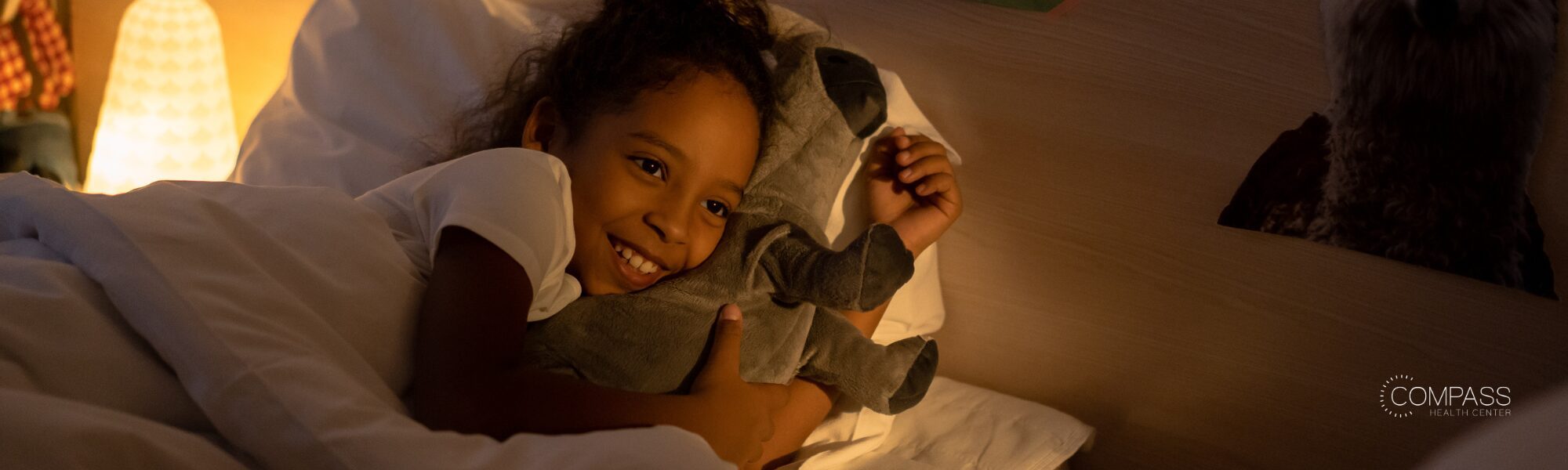
Whenever we consistently struggle to fall asleep, stay asleep, or don’t get restful/restorative sleep, we are experiencing insomnia. One in 8 Americans has been formally diagnosed with chronic insomnia, and half the population will experience insomnia at some point in their life. Insomnia occurs for a variety of reasons; it can be genetic, hormonal, anatomical, neurological, etc. In psychiatry, almost every condition or diagnosis can have a negative impact on sleep quality.
Why Summer Disrupts Your Sleep: Melatonin, Sunlight, and Your Circadian Rhythm
During the summer, new or worsening sleep problems can uniquely arise because of environmental changes. Melatonin is one of the primary hormones our brain uses to control our circadian rhythm (the continually cycling pattern of wakefulness and then sleepiness that we experience every 24 hours). As the sun sets, our eyes take in less light. In the brain, the suprachiasmatic nucleus of the hypothalamus triggers the pineal gland to secrete a higher concentration of melatonin. As the concentration of melatonin builds, our brain enters a relaxed state and we feel tired. Increased darkness leads to increased melatonin, which leads to increased sleepiness. In the morning, the opposite happens as light leads to the pineal gland reducing its release of melatonin. This decreased concentration brings us out of our sleep cycles and into full consciousness.
Light is the principal trigger for this process. This explains why, in the winter, we naturally feel tired earlier and sleep more (earlier sunset and later sunrise), and experience the opposite during the summer (later sunset and earlier sunrise). We can more readily stay awake longer and remain more active on any given day.
How Much Sleep Do You Really Need in the Summer?
Our brain is excellent at adjusting the circadian rhythm and our feelings of sedation to match the given season. The problem is that our need for sleep is unchanged. We may not feel as tired, but we still need to get a restorative night of rest even when our environment or lifestyle doesn’t create the opportunity for it.
One night of poor sleep is easy to identify and comes with few consequences, but the effects of a gradual accumulation of inadequate sleep, commonly known as sleep debt, are insidious and costly. Patients who chronically get suboptimal sleep will experience symptoms that mirror (and are occasionally misdiagnosed as) depression or anxiety. They’ll describe a week-by-week progression of inconvenient memory loss (like only remembering 4 of the 8 things on their grocery list), mood swings that they’re no longer able to control, lower motivation and concentration, poor distress tolerance, and an overall feeling of fatigue and dissatisfaction. The multiple medications they’ve tried to improve their mood have not helped. They’ve also been doing therapy, and despite trying their best, it seems like they’re actually regressing as time goes on because they’ve given up on their hobbies and no longer have the energy to be physically active. When the issue of sleep is misdiagnosed, it leads to protracted suffering as the correct treatment is delayed. If the origin of the problem is sleep, then the solution to the problem is sleep. Clinicians and patients alike can become mutually frustrated by solutions not working because they’ve metaphorically replaced the car engine ten times without realizing the problem was in the transmission all along.

Can You Tell if You’re Sleep Deprived? Why Most People Can’t
Another aspect that makes diagnosing and treating sleep problems difficult is that we can’t always trust ourselves. Many studies have shown that we are poor estimators of our own sleep, on all ends of the spectrum. Good sleepers may underestimate their sleep and report insomnia when objective evidence shows they slept fine. Insomniacs may overestimate their sleep and never recognize the chronic poor-quality rest they’ve been getting for years. The phenomenon is called sleep state misperception, or paradoxical insomnia. The rise of sleep trackers and smart watches has helped, and I encourage many of my patients who struggle with sleep to start using one. The data isn’t perfect, but it allows us to get a rough estimate of what our sleep looks like and how our patterns change as we try new approaches to fix the problem.
Six Expert Sleep Tips for Better Sleep All Summer Long
I want everyone to make the most of their summer and the opportunities it brings. I hope any moment spent riding a bike, reading a book in a hammock, gardening, or having a bonfire with friends is enjoyed to the fullest. To do this, we need a brain that is ready to be present, engaged, and primed for happiness. Here are a few sleep tips to make your summer sleep as great as possible.
- If it ain’t broke, don’t fix it. If you are a great sleeper, meaning you’re someone who can fall asleep within 5-10 minutes of lying down and you are only awake for 5 minutes or less if you wake up during the night, then stick to what is working for you. Don’t overthink it, but also be cautious if you must change your routine and habits that have been working.
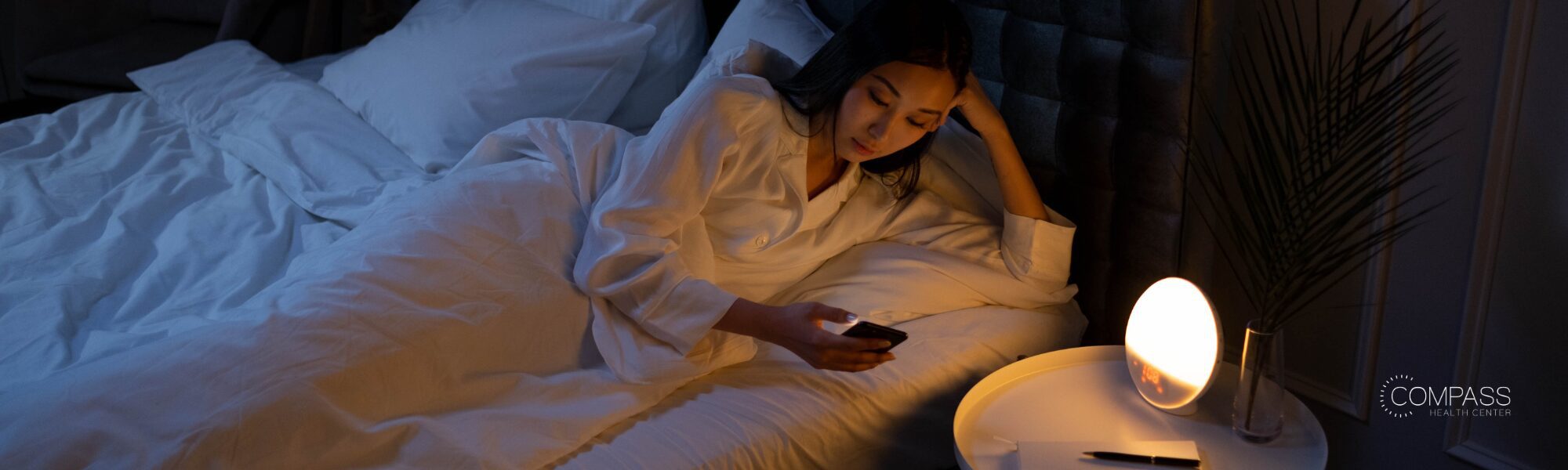
- The pillow is not the time to start thinking about sleep. If you are not a good sleeper, how much you focus on sleep needs to be proportional to your problem with sleep. If you have significant problems at night, you need to start thinking about how you can set yourself up for success long before your head hits the pillow. You may need a good amount of moderate physical activity every day. You might need to dim lights and screens in the hours leading up to bed. Consider reducing caffeine or cutting out late-night snacking. Replace stimulating activities like video games or scrolling with relaxing ones like reading or journaling. Sleep is important enough to warrant changed behaviors.
- Sleep is an actively passive process. Be intentional and put in the work to make sure your sleep environment and routine are relaxing. Try to find consistency in your bedtime and the time you wake up. Make sure the room is quiet, dark, and cool. Adjust your curtains and blankets so your body can be comfortable and unstimulated while it is going offline for its much-needed repairs.
- Leave uninvited thoughts out of your head and out of your bed. The bed is a comfortable place for worrying and rumination. The world is quiet and our minds tend to wander to unwanted places as we think about past problems or future fears. At 2 p.m., there are many things we can do to distract ourselves. At 2 a.m., the story is entirely different. To improve your sleep, have a few coping skills you can rely on to quiet your thoughts. Also consider using guided meditation or relaxing music to help you ground and feel present in your body and in your sleepiness.
- Humans weren’t built with a snooze button. Waking up should be closely followed by getting up in the morning. Snoozing the alarm may lead to you returning to sleep, but it is an inefficient process that comes at a cost. It is called fragmented rest, and this habit contributes to morning exhaustion, daytime fatigue, and a fight-or-flight start to your day. Reducing time spent snoozing helps you get the most efficient and restorative sleep possible. Also, be intentional with the sound, volume, and placement of your morning alarm. If both a fire truck siren and a gentle flute will get the job done, choose to start the day by being gentle on your brain and ears.
- Use sleep medications with caution. Some medications, like melatonin and magnesium, are commonly available. Others need to be prescribed by a clinician. They can be great for emergencies or a short amount of time, but their chronic use points to a deeper problem. Sleep medications can have negative effects on sleep quality, morning sedation, and overall cognition (short and long term). Do your best to learn to sleep so these medications are only needed as a backup plan.
The Bottom Line: Protect Your Sleep to Protect Your Mental Health
Though frequently misattributed to Ernest Hemingway, this famous and relatable phrase actually belongs to an anonymous internet user: “I love sleep. My life has the tendency to fall apart when I’m awake, you know?” Sleep provides a strong starting foundation for our day, and learning to sleep well is an investment that always pays off. Small changes to our routine can have a significant impact on our body, relationships, mental health, and almost every other aspect of our lives. If you are struggling because of poor sleep, please seek help. It is too important to tolerate inadequacy. I hope you are able to rest deeply and enjoy summer fully.