

Quick answer: Halloween’s gore, jump scares, and violent imagery can act as trauma reminders, causing real fear and distress in survivors even when the intent is playful. You can make the holiday more manageable by choosing which events and decorations to engage with, picking costumes that don’t echo your trauma, planning ahead for support, and setting boundaries without owing anyone your story. If Halloween highlights ongoing symptoms, trauma-focused treatment can help.
Why Is Halloween Hard for Trauma Survivors?
Halloween is a major departure from our culture’s typical tendency to treat fear as something to avoid; instead, it celebrates gore, jump scares, and violent imagery. While many people find these themes fun and festive, trauma survivors see those cues through the lens of their own trauma. Their nervous system may interpret those cues as dangerous, even when they are intended to be playful. Survivors may feel very real fear during festivities without understanding why a holiday their friends enjoy brings them so much distress.
What Happens in the Nervous System When Halloween Triggers Trauma?
After experiencing trauma, the brain learns to associate reminders, or triggers, with danger. Triggers can include people, places, or things, but they can also be internal experiences, such as emotions and physical sensations. When a trigger shows up in the present, it can feel like trauma is happening again. This is not an overreaction, but a common nervous system response that arises in the aftermath of trauma. Trauma survivors learn to avoid triggers at all costs to feel safe. While this feels protective, it reinforces the sense that those reminders are inherently dangerous, making them feel even scarier when they do show up.
Many trauma survivors also struggle with hypervigilance, being excessively alert or “on guard” for signs of danger. This is not only incredibly exhausting for the nervous system, but it also makes it difficult to be fully present and effectively distinguish what’s dangerous from what’s not. Attending a Halloween party or going trick-or-treating can quickly shift from a celebration to a nightmare when trauma survivors find themselves surrounded by decorations, costumes, and sounds that resemble their trauma and activate the nervous system in ways they can’t control.
Trauma symptoms also often co-occur with depression or anxiety, sleep disruptions, or relationship difficulties. That’s why effective trauma treatment takes a whole-person approach, considering symptoms in the context of other physical and social factors rather than in isolation.
How Can Trauma Survivors Make Halloween Feel Safer?
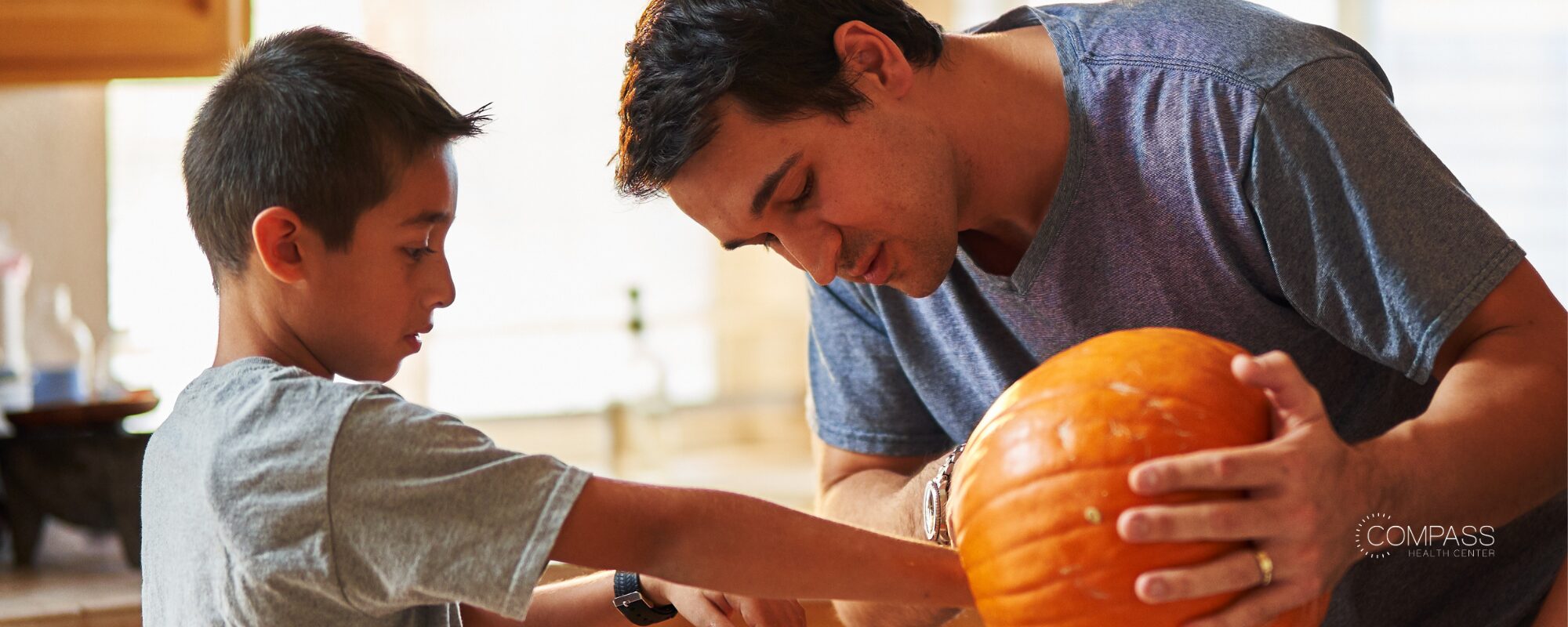
Survivors, and the friends and loved ones who support them, can make accommodations that help the holiday feel safer and more manageable. Here are four places to start.
Decorations and Media: What You Can Opt Out Of
While you can’t control others’ decorations or how the holiday gets portrayed in the media, you can choose what to attend, participate in, and consume. You might opt out of visiting a haunted house, choose not to put up any gore-heavy décor, or decline to join a horror movie night. Practice self-compassion so you can do it without guilt.
Costumes: Choosing Ones That Don’t Resemble Your Trauma
You can’t control which costumes others choose to wear, but you can choose costumes and props for yourself that don’t resemble specific triggers of your personal trauma. Consider avoiding costumes including representations of weapons, blood, restraints, or other violent material.
Events and Environments: Plan Ahead and Leave Early If Needed
Choose lower-intensity events, make coping and support plans ahead of time, and be open to leaving early if the environment becomes too overwhelming.
How to Set Boundaries Without Sharing Your Story
Asking for what you need can feel uncomfortable, so it helps to write scripts or notes ahead of time. That might mean planning how to decline an invitation or request a “no gore” gathering, and deciding how much, if anything, to disclose about your history. You do not owe anyone your full story or medical history to ask for support you need, and you don’t need to feel guilty about having those needs and doing what you need to feel safe. Preparing for these communications in advance can help minimize the likelihood that you feel anxious or pressured to share more in the moment than you’re comfortable with.
How Can Parents Support a Child With Trauma on Halloween?
Halloween can feel scary for any child, but for kids who have experienced trauma, the holiday can come with unique stressors related to their histories. Children with medical or family trauma histories may be unexpectedly triggered by costumes or props involving hospitals, restraints, weapons, or gore. In these situations, it is not helpful to force participation or encourage the child to “just push through.”
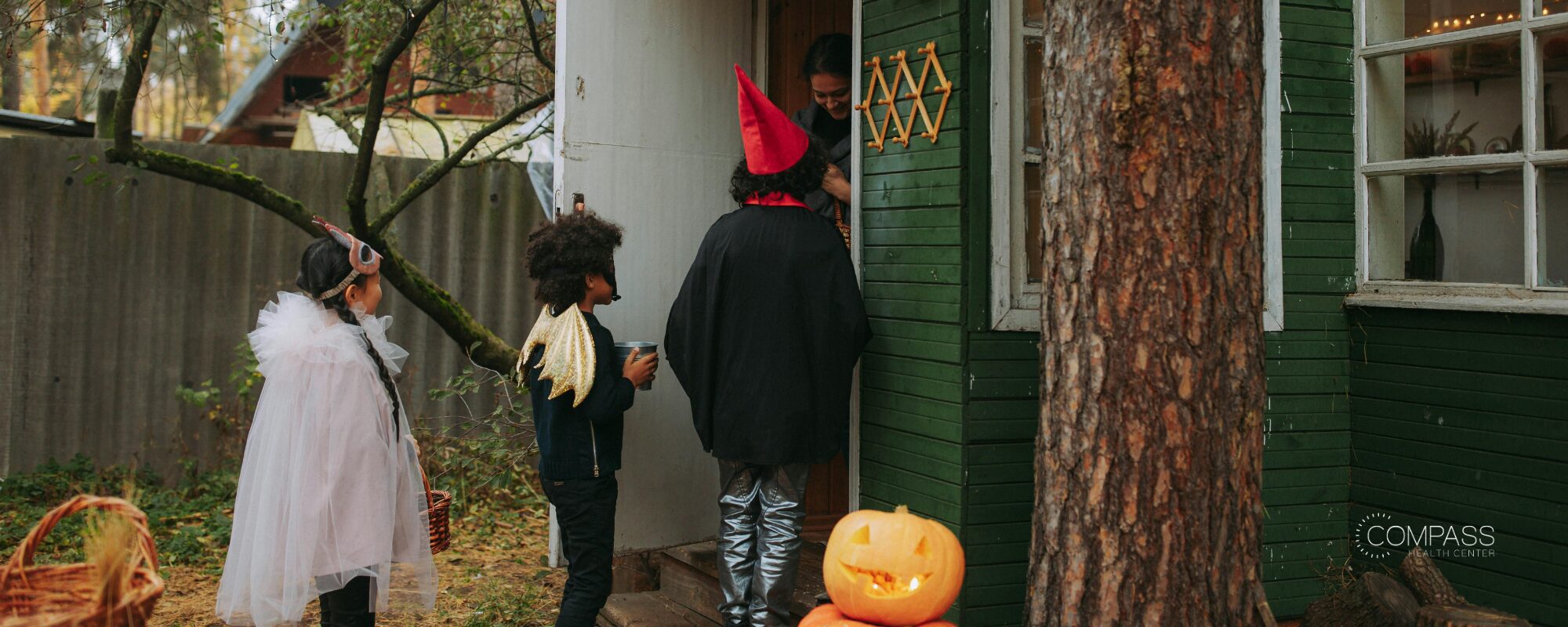
That said, many kids feel strongly about participating in some Halloween festivities along with their peers. School costumes and décor are typically age-appropriate and carry a lower risk of unexpected triggers, but activities like trick-or-treating can be more unpredictable. Support your child in participating at their own pace, and know the experience may shift if they encounter something especially upsetting. Validate their fear without shaming them and help identify accommodations that make them feel safer. Patience, compassion, and flexibility with plans go a long way.
If your child’s reactions seem part of a bigger pattern, Compass’s Parents & Family Resource Hub can help caregivers learn how to support their child at home, and the Program Finder can point you toward an age-based program.
How Can Adults with Trauma Navigate Halloween Parties and Work Events?
Adult survivors face their own obstacles. Workplaces and social groups may pressure you to join parties or haunted houses that come with unpredictable costumes, décor, and themes. The social cost of opting out of these activities can feel significant; however, it’s important to prioritize self-care when it comes to the very real impacts of trauma. Giving yourself permission to modify or skip Halloween traditions can be an act of self-compassion, and while you may feel compelled to explain why, that is not something you need to do unless you feel comfortable.
Discussing your needs with close friends or loved ones may feel empowering and can help you access support, but you never need to feel pressured to disclose details to anyone you’re not comfortable doing so with, especially at work. In the workplace, a prepared answer containing only what you’re open to sharing can help you hold your boundaries in the moment.
When Should You Seek Trauma Treatment?
A difficult encounter with a seasonal trigger can be a helpful signal that more support may be needed. Some survivors manage the impacts of trauma in their everyday life, but symptoms and continued avoidance can take a toll over time. Reminders are harder to overlook during Halloween or during other times of the year with their own triggers, such as increased family contact during the holidays. This can be the nudge to get more help.
Trauma-focused treatment can improve functioning and quality of life by addressing trauma’s unresolved impacts. Compass’s Trauma & PTSD Treatment Program can help survivors understand how trauma is impacting work, relationships, and daily life, and teach practical skills to reduce and manage those impacts.
Is Skipping Halloween Traditions Avoidance or Self-Care?
Modifying how you take part in Halloween to limit unnecessary contact with triggers is an intentional act of self-care, not avoidance. Trauma treatment often aims to gradually reduce avoidance that affects everyday life, but it does so gently, on a foundation of safety, and never by forcing interaction with triggers.
Compass’s PHP and IOP programs focus on the whole picture, looking at how symptoms and other factors interfere with a person’s ability to live a life aligned with their values. Prioritizing safety and well-being this Halloween can support that work by helping you to relearn what self-compassion looks like and realign with what matters most.
Take the Next Step
If Halloween has highlighted trauma symptoms that are affecting your life, you don’t need a diagnosis or a clear plan to reach out. Schedule an assessment or call 877-552-6672 to speak with a specialist. You can also read what to expect when you start treatment or check coverage on the insurance and billing page.